


8 Fertility Diet for Women: Foods That Boost IVF Success in Bangalore

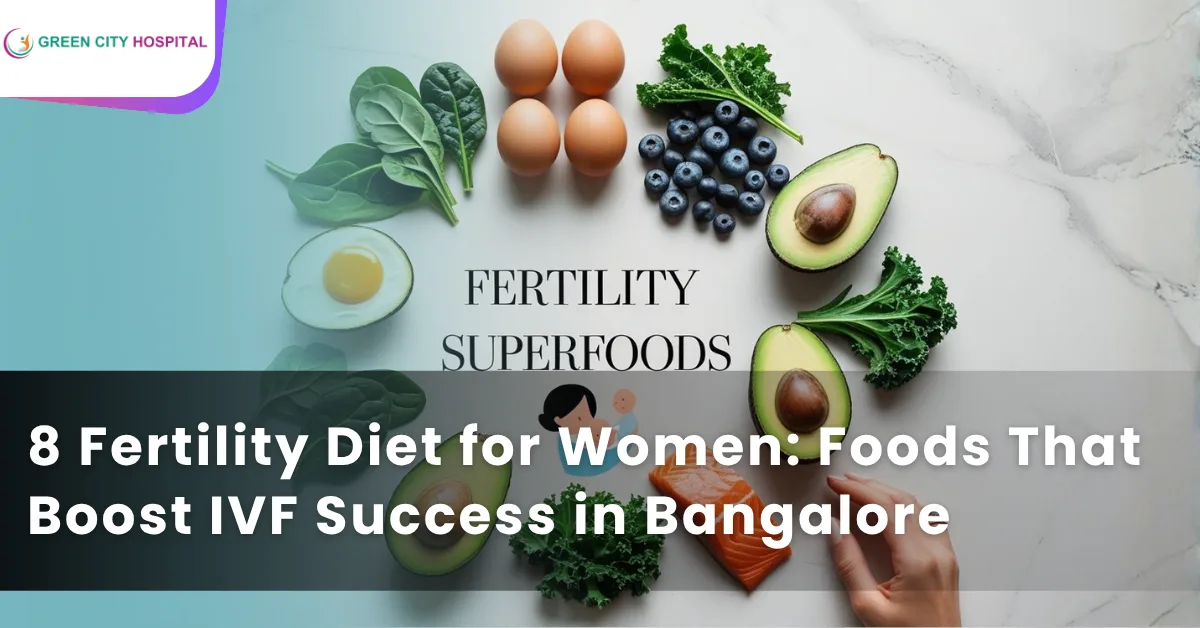
The journey to motherhood is one of the most profound experiences a woman can go through. However, when the path involves In Vitro Fertilization (IVF), it can also become a physically and emotionally demanding process. For women living in a fast-paced, urban metropolis like Bangalore, balancing a demanding career, long commutes, and the emotional weight of fertility treatments can be overwhelming. Amidst the medical protocols, injections, and clinic visits, there is one crucial element that you have complete control over: your nutrition.
Adopting a specialized Fertility Diet for Women is not just about losing weight or following a trend; it is about creating the optimal biological environment for an embryo to implant and thrive. What you put on your plate directly impacts your egg quality, hormonal balance, and uterine lining. In this comprehensive guide, we will explore the specific Foods That Boost IVF Success in Bangalore, focusing on locally available, fresh ingredients that can naturally enhance your fertility journey.
At Green City Hospitals, we believe that successful fertility treatment goes beyond the laboratory. It requires a holistic approach where world-class medical care meets personalized nutritional guidance. Let us explore how you can nourish your body for IVF success.
Understanding the Connection Between Diet and IVF Success
Before diving into specific foods, it is essential to understand why diet plays such a monumental role in IVF. The IVF process involves several critical stages: ovarian stimulation, egg retrieval, fertilization, and embryo transfer. Each of these stages requires your body to function at its absolute best.
- Egg Quality: Women are born with a finite number of eggs. While we cannot increase the quantity of eggs, we can absolutely influence their quality. Antioxidant-rich foods help combat oxidative stress, which is a primary culprit behind cellular damage and poor egg quality.
- Hormonal Balance: The endocrine system regulates the hormones necessary for reproduction. A diet high in processed sugars and unhealthy fats can lead to insulin resistance, which directly disrupts ovulation and hormone production.
- Uterine Lining (Endometrium): For an embryo to successfully implant, the uterine lining needs to be thick, nutrient-rich, and receptive. Foods that promote healthy blood circulation play a vital role in building a healthy endometrium.
- Inflammation: Chronic inflammation in the body can create a hostile environment for an embryo. An anti-inflammatory diet helps calm the immune system, reducing the chances of implantation failure.
The Bangalore Context: Lifestyle, Stress, and Fertility
Living in India’s Silicon Valley comes with unique challenges that can inadvertently affect fertility. The demanding nature of the IT sector, irregular working hours, sitting at a desk for extended periods, and the notorious city traffic all contribute to elevated cortisol (stress hormone) levels. High cortisol can signal the body that it is not in a safe environment to reproduce, thereby shutting down or impairing reproductive functions.
Furthermore, the convenience of food delivery apps often leads to a reliance on restaurant food, which is typically high in refined oils, sodium, and hidden sugars. Transitioning to a whole-food, plant-heavy diet is the first step in counteracting the urban lifestyle’s toll on your body. Fortunately, Bangalore is also home to incredible local markets, organic farms, and a rich culinary heritage that offers highly nutritious, fertility-boosting ingredients right at your doorstep.
Essential Nutrients for Your IVF Journey
When designing a fertility diet, the focus should shift from “counting calories” to “counting nutrients.” Here are the non-negotiable nutrients your body needs during an IVF cycle:
- Folate (Vitamin B9): Crucial for DNA synthesis and preventing neural tube defects. Unlike synthetic folic acid, natural folate is easily absorbed by the body.
- Omega-3 Fatty Acids: Known for their anti-inflammatory properties, Omega-3s help regulate reproductive hormones and increase blood flow to the reproductive organs.
- Antioxidants (Vitamins A, C, E, and Selenium): These protect the ovarian follicles from free radical damage.
- Complex Carbohydrates: These provide a slow, steady release of energy, preventing the insulin spikes that can disrupt reproductive hormones.
- High-Quality Protein: Essential for cell growth and the development of healthy eggs.
Top Foods That Boost IVF Success in Bangalore
Creating a fertility-friendly kitchen in Bangalore is easier than you might think. By tapping into local South Indian staples alongside readily available fresh produce, you can build a powerful nutritional foundation. Here are the top foods to include in your IVF diet:
1. Ragi (Finger Millet)
A true superfood of Karnataka, Ragi is a powerhouse of nutrition and an absolute must for women undergoing IVF. It is incredibly rich in calcium, iron, and dietary fiber. More importantly, ragi has a low glycemic index, meaning it helps stabilize blood sugar levels—a critical factor for women dealing with Polycystic Ovary Syndrome (PCOS), a common cause of infertility.
- How to eat it: Ragi malt for breakfast, ragi mudde with a vegetable-heavy sambar, or ragi dosas.
2. Moringa (Drumstick Leaves)
Moringa is easily found in local Bangalore markets and is considered a fertility booster in traditional medicine. The leaves are bursting with vitamins A, C, iron, and high-quality plant protein. The high iron content helps ensure healthy blood circulation to the uterus, which is vital for building a thick endometrial lining for embryo transfer.
- How to eat it: Add fresh moringa leaves to your dals, stir-fries (palya), or even steep them in hot water for a soothing tea.
3. Pomegranate
Pomegranates are a fertility favorite. They are loaded with antioxidants that protect the egg from oxidative stress. Additionally, pomegranates are known to boost blood flow to the reproductive system. A healthy blood supply to the uterus helps create a nourishing environment for the transferred embryo to implant.
- How to eat it: Eat a bowl of fresh seeds as a mid-morning snack or sprinkle them over a bowl of fresh homemade curd.
4. Walnuts and Seeds (Flax, Chia, and Pumpkin)
Omega-3 fatty acids are essential, but if you do not consume fish, getting enough can be tricky. Walnuts and seeds are the best plant-based sources of Omega-3s and healthy fats. Pumpkin seeds are particularly high in zinc, a mineral crucial for healthy cell division during the early stages of embryo development.
- How to eat it: Create a “seed mix” and keep it on your work desk. Sprinkle them on salads, oatmeal, or blend them into a smoothie.
5. Dark Leafy Greens
We cannot stress enough the importance of greens like spinach (palak), fenugreek (methi), and amaranth. These are your best natural sources of folate. Adequate folate levels in the months leading up to your IVF cycle can significantly improve egg quality and support the early stages of fetal development.
- How to eat it: Palak paneer, methi roti, or a simple green smoothie with a dash of lemon juice (vitamin C helps absorb the plant-based iron).
6. Desi Ghee (Clarified Butter)
In Ayurveda, high-quality A2 cow ghee is revered for its ability to nourish the reproductive tissues (Shukra Dhatu). Ghee helps in the absorption of fat-soluble vitamins (A, D, E, and K), which are crucial for hormone production. While it is highly beneficial, moderation is key.
- How to eat it: Use one teaspoon of ghee over your warm rice, dal, or roti to aid digestion and nutrient absorption.
7. Lentils and Legumes
Moong dal, chickpeas (chana), and kidney beans (rajma) are excellent sources of plant-based protein and fiber. A diet high in plant protein has been linked to better ovulatory function. Furthermore, the fiber helps your body naturally bind to and excrete excess hormones, preventing estrogen dominance.
- How to eat it: Sprouted moong salads (hesaru kaalu), traditional South Indian sundal, or a hearty bowl of dal.
8. Fresh Citrus and Berries
Vitamin C is vital for hormone regulation and improving the absorption of iron. While exotic berries can be expensive, locally sourced Indian gooseberry (Amla) is one of the most potent sources of Vitamin C on the planet. Strawberries and blueberries, readily available in Bangalore supermarkets, are also fantastic sources of antioxidants.
- How to eat it: Amla juice in the morning, or a handful of fresh berries as an evening snack.
Foods to Avoid During Your IVF Treatment
Knowing what to keep off your plate is just as important as knowing what to include. Certain foods trigger inflammation, disrupt hormones, and can negatively impact the success of your IVF cycle.
- Refined Carbohydrates (Maida): White bread, pastries, and bakery items made from maida cause rapid spikes in blood sugar and insulin, which can throw your reproductive hormones off balance. Swap white rice for brown rice, millets, or quinoa.
- Excessive Caffeine: For many in Bangalore, the day doesn’t begin without a strong cup of traditional filter coffee. While you do not have to quit entirely, research suggests that high caffeine intake can impact fertility and increase the risk of miscarriage. Limit your intake to one small cup a day (under 200mg).
- Processed and Junk Food: Fast food is heavily laden with trans fats and highly refined seed oils, both of which drive up inflammation in the body. Avoid anything that comes in a crinkly wrapper with a long list of artificial ingredients.
- Raw or High-Mercury Fish: While fish can be a good source of Omega-3, avoid high-mercury varieties like king mackerel or swordfish, as mercury is toxic to the developing nervous system of an embryo. Stick to safe, well-cooked options if you eat non-vegetarian food.
- Alcohol and Smoking: This is a strict no. Both alcohol and nicotine drastically age your ovaries, reduce egg quality, and lower the chances of implantation. It is highly recommended that both partners cease alcohol and smoking well before beginning an IVF cycle.
A Sample Bangalore-Friendly Fertility Meal Plan
To help you visualize how this comes together, here is a sample daily meal plan tailored for an urban Indian lifestyle:
- Early Morning: A glass of warm water with a squeeze of lemon, followed by 5 soaked almonds and 2 soaked walnuts.
- Breakfast: Two ragi or oats dosas with a bowl of mixed vegetable sambar. (Avoid coconut chutney if you are trying to manage weight; opt for tomato-mint chutney instead).
- Mid-Morning Snack: A bowl of fresh pomegranate seeds or an apple with a handful of pumpkin seeds.
- Lunch: One bowl of brown rice or millets, half a bowl of thick dal (lentils), a generous serving of palya (stir-fried green beans, carrots, or spinach), and a small bowl of fresh homemade curd.
- Evening Snack: A cup of green tea or herbal infusion with a bowl of boiled chickpea sundal or sprouted moong salad.
- Dinner: Keep it light. Two multi-grain or jowar rotis, a warm bowl of palak paneer or mixed vegetable curry, and a side of cucumber-carrot salad.
The Importance of Hydration and Digestion
In the mild but sometimes unpredictable weather of Bangalore, hydration is often overlooked. Staying adequately hydrated is critical during IVF. Water transports hormones throughout the body, helps flush out toxins, and is essential for maintaining healthy cervical fluid and a thick uterine lining. Aim for at least 2.5 to 3 liters of water a day.
Additionally, Ayurveda places heavy emphasis on gut health (Agni) for fertility. If your digestion is sluggish, your body cannot absorb the nutrients from even the healthiest diet. Incorporate digestive aids like ginger, cumin, and fennel seeds into your cooking. Ensure you are getting enough fiber to prevent constipation, a common side effect of the progesterone supplements prescribed during IVF.
Why Choose Green City Hospitals for Your IVF Journey?
Embarking on an IVF cycle is a major life decision. It requires a medical team that treats you with compassion, transparency, and clinical excellence. At Green City Hospitals, we understand that no two fertility journeys are the same.
We pride ourselves on offering a deeply personalized approach to reproductive medicine. Our state-of-the-art fertility wing is equipped with the latest technology to ensure the highest chances of success. But what truly sets us apart is our holistic care model. We don’t just focus on the clinical procedures; we look at the whole picture.
Our in-house fertility nutritionists and lifestyle counselors work hand-in-hand with our specialized fertility doctors to ensure your body is primed for success before the medical interventions even begin. From guiding you on the exact Fertility Diet for Women to managing the emotional stress of the process, the team at Green City Hospitals is dedicated to standing by your side at every step, transforming your dream of parenthood into a reality.
Conclusion
Preparing your body for IVF is an act of deep self-care. By prioritizing a nutrient-dense diet filled with local, wholesome foods, you are actively participating in your treatment and giving your body the best possible chance to conceive. Remember, there is no magic pill or single “miracle food” that guarantees a pregnancy. IVF success comes from a combination of expert medical care, a healthy lifestyle, emotional well-being, and consistent, healthy dietary choices.
Take it one meal at a time, be gentle with yourself, and trust the process. With the right nutrition on your plate and the expert team at Green City Hospitals guiding your medical care, you are taking the strongest possible steps toward welcoming your little one.


