


Recurrent Pregnancy Loss Treatment at JP Nagar’s Best IVF Centre

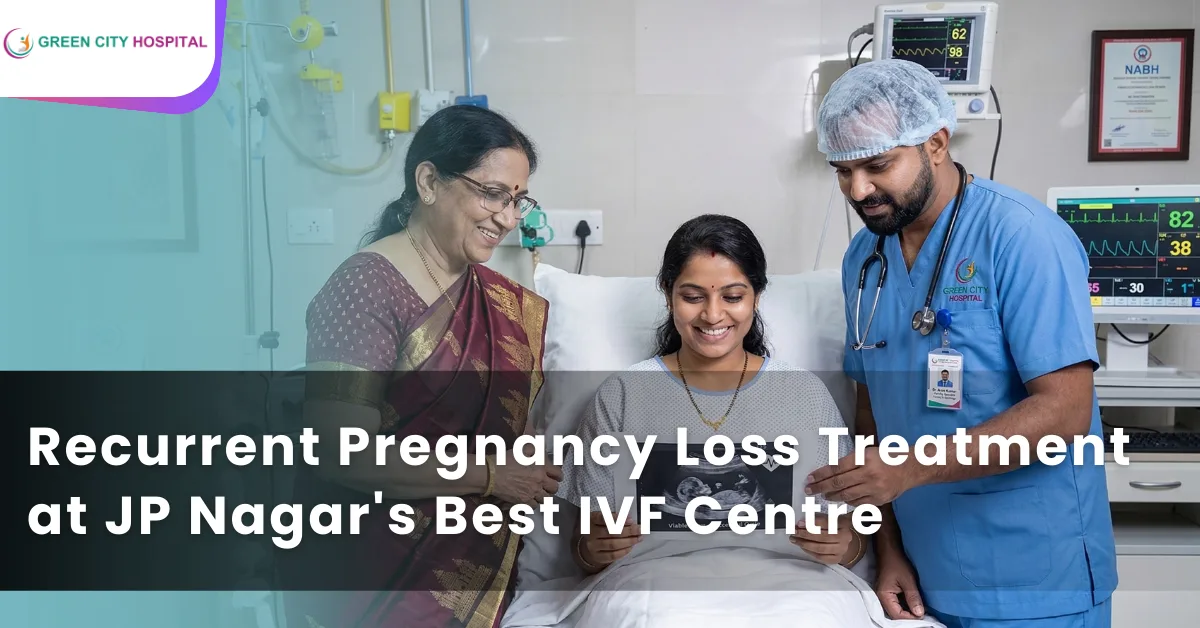
The journey to parenthood is often painted as a seamless, joyful transition. However, for many couples, this path is fraught with invisible hurdles, silent tears, and the heartbreaking reality of recurrent pregnancy loss (RPL). Experiencing a miscarriage is a devastating event; experiencing it repeatedly can leave couples feeling helpless, exhausted, and desperately searching for answers.
If you are reading this, you or someone you love might be navigating this incredibly difficult chapter. Let us start by saying this: you are not alone, and more importantly, it is not your fault. Medical science has taken quantum leaps in understanding the underlying causes of multiple miscarriages. Today, with the right medical intervention, personalized care, and advanced reproductive technologies available right in your neighborhood, taking home a healthy baby is a very achievable dream.
When it comes to specialized, compassionate, and highly successful recurrent pregnancy loss treatment in JP Nagar, the fertility experts at Green City Hospitals stand as a beacon of hope. Recognized as the best IVF centre in the region, Green City Hospitals combines state-of-the-art infrastructure with a deeply empathetic approach to help couples break the cycle of loss and finally experience the joy of a successful pregnancy.
In this comprehensive guide, we will dive deep into what recurrent pregnancy loss is, its common causes, the diagnostic protocols used in India, and the advanced treatment options—including IVF and genetic testing—that are turning despair into joy for countless families.
Understanding Recurrent Pregnancy Loss (RPL)
In the medical community, recurrent pregnancy loss is generally defined as the occurrence of two or more consecutive clinical pregnancy losses before the pregnancies reach 20 weeks of gestation. While early miscarriages (those happening in the first trimester) are surprisingly common—affecting up to 15% to 20% of all recognized pregnancies—repeated miscarriages affect a much smaller subset of couples, roughly 1% to 2%.
In India, the emotional stigma attached to infertility and miscarriages often prevents couples from seeking timely help. Many families are led to believe that recurrent miscarriages are merely “bad luck” or the result of a woman’s lifestyle, which is a harmful and scientifically inaccurate myth. The truth is that RPL is a complex medical condition that requires a thorough, systematic medical investigation by specialized fertility experts.
Every pregnancy loss takes a massive physical and psychological toll on the mother. By the time a couple arrives at an IVF centre for recurrent pregnancy loss treatment, they are often dealing with severe anxiety, grief, and the fear of trying again. Recognizing this, the approach at Green City Hospitals goes beyond just clinical treatment; it encompasses psychological counseling and emotional support, ensuring that couples feel safe and supported throughout their journey.
Uncovering the Causes of Recurrent Pregnancy Loss
To effectively treat RPL, an accurate diagnosis is absolutely critical. Treating the symptoms without understanding the root cause is a recipe for further disappointment. The best fertility specialists in JP Nagar will tell you that the causes of recurrent miscarriages are varied and can stem from either the female partner, the male partner, or a combination of both.
Here are the most widely recognized medical causes for recurrent pregnancy loss:
1. Genetic and Chromosomal Abnormalities
This is by far the most common cause of early recurrent miscarriages. In fact, nearly 50% to 60% of all first-trimester miscarriages are due to chromosomal errors in the embryo. When a sperm and an egg combine, they are supposed to form an embryo with 46 chromosomes. Sometimes, due to a random error during cell division, the embryo ends up with an extra chromosome or a missing one (a condition known as aneuploidy). The body naturally recognizes that this embryo is not genetically viable and stops the pregnancy from progressing.
While these errors are usually random, the risk of chromosomal abnormalities increases significantly as a woman ages, particularly after the age of 35, due to declining egg quality. In rarer cases, one of the parents may carry a balanced structural chromosomal abnormality, such as a translocation, which does not affect them but gets passed on to the embryo in an unbalanced form, leading to a miscarriage.
2. Anatomical and Uterine Abnormalities
The uterus is the incubator for the growing baby. If the incubator has structural issues, the pregnancy cannot thrive. Anatomical problems account for roughly 10% to 15% of RPL cases. Common uterine anomalies include:
- Septate Uterus: A congenital malformation where a band of tissue (septum) divides the uterine cavity. This tissue has poor blood supply, and if an embryo implants there, it will eventually miscarry.
- Uterine Fibroids and Polyps: Benign growths in the uterine cavity that can interfere with embryo implantation or the growth of the fetus.
- Asherman’s Syndrome: The presence of scar tissue or adhesions inside the uterus, usually resulting from previous surgical procedures (like a D&C), which prevents proper implantation of the embryo.
3. Endocrine and Metabolic Disorders
Hormonal imbalances play a massive role in maintaining a healthy pregnancy. In India, we see a high prevalence of metabolic disorders that directly impact fertility and pregnancy sustenance.
- Polycystic Ovary Syndrome (PCOS): Women with PCOS often have insulin resistance and elevated male hormones, which can affect egg quality and the endometrial lining, leading to higher miscarriage rates.
- Thyroid Disorders: Both hypothyroidism (underactive thyroid) and hyperthyroidism (overactive thyroid), as well as the presence of anti-thyroid antibodies, are strongly linked to recurrent miscarriages.
- Uncontrolled Diabetes: Poorly managed blood sugar levels in the early stages of pregnancy can increase the risk of both miscarriages and congenital anomalies.
4. Thrombophilia and Blood Clotting Disorders
Pregnancy inherently increases a woman’s blood-clotting mechanism to prevent excessive bleeding during childbirth. However, in women with a condition called thrombophilia, the blood tends to clot too easily.
One of the most well-documented culprits in RPL is Antiphospholipid Syndrome (APS). It is an autoimmune disorder where the mother’s immune system mistakenly produces antibodies that attack normal proteins in the blood. This leads to the formation of microscopic blood clots in the developing placenta, cutting off the vital supply of oxygen and nutrients to the baby, eventually causing a miscarriage.
5. Immunological Factors
The maternal immune system has to naturally suppress itself to a certain degree to accept the embryo, which is technically “foreign” tissue (as half of its DNA comes from the father). In some cases of recurrent pregnancy loss, there is an immune system malfunction where the mother’s body aggressively rejects the implanting embryo. While still a heavily researched field, elevated Natural Killer (NK) cells and specific autoimmune conditions are being closely studied as potential causes.
6. Male Factor Infertility (Sperm DNA Fragmentation)
Historically, the burden of recurrent miscarriages was placed entirely on women. However, modern andrology has proven that male factors play a highly significant role. Sperm that looks completely normal under a microscope might still have high levels of DNA damage (Sperm DNA Fragmentation). If an egg is fertilized by a sperm with highly fragmented DNA, the resulting embryo may develop poorly and eventually result in a miscarriage.
When Should You Seek Specialist Help?
If you have experienced two or more miscarriages, you should absolutely seek the expertise of a specialized fertility clinic rather than a general obstetrician. Time is often of the essence, especially if the female partner is over the age of 30.
Couples often waste precious time bouncing between standard clinics that do not have the advanced diagnostic tools necessary for RPL. This is where Green City Hospitals steps in. As the best IVF centre in JP Nagar, it features a dedicated recurrent pregnancy loss wing equipped with high-resolution diagnostics to pinpoint the exact reason behind the recurrent losses.
Comprehensive Diagnostic Protocols for RPL
At Green City Hospitals, the recurrent pregnancy loss treatment protocol begins with a rigorous, investigative diagnostic workup. Because there are so many variables at play, a “one-size-fits-all” approach does not work. The diagnostic panel usually involves:
For the Female Partner:
- Detailed Blood Panels: Testing for thyroid function (TSH, Free T4, anti-TPO antibodies), prolactin levels, blood sugar profiles, and ovarian reserve testing (AMH).
- Thrombophilia Workup: Screening for Antiphospholipid antibodies (Lupus Anticoagulant, Anticardiolipin antibodies, Beta-2 Glycoprotein 1 antibodies).
- Advanced Imaging: A 3D pelvic ultrasound is the gold standard for evaluating the uterine cavity for congenital anomalies, fibroids, or a thin endometrial lining.
- Hysteroscopy: If an ultrasound shows a potential issue, a hysteroscopy is performed. This involves passing a tiny camera through the cervix to visually inspect the inside of the uterus in real-time.
For the Male Partner:
- Advanced Semen Analysis: Going beyond just sperm count and motility to evaluate sperm morphology.
- Sperm DNA Fragmentation Test (DFI): To check the genetic integrity of the sperm.
For Both Partners:
- Karyotyping: A genetic blood test to map out the chromosomes of both the male and female partner to check for balanced translocations or structural chromosomal abnormalities.
Advanced Treatment Options: How the Best IVF Centre in JP Nagar Can Help
Once the root cause is identified, the expert medical team at Green City Hospitals formulates a personalized treatment plan. The interventions can range from simple medical management to advanced assisted reproductive technologies (ART).
1. Medical and Hormonal Management
If the miscarriages are caused by endocrine issues, the treatment is relatively straightforward. Correcting thyroid levels with medication, managing blood sugar levels through diet and insulin, and using medications like Metformin for PCOS can drastically improve pregnancy outcomes. For women diagnosed with Antiphospholipid Syndrome (APS) or other clotting disorders, a targeted regimen of low-dose aspirin and daily heparin injections (blood thinners) starting from the early days of pregnancy has a remarkably high success rate.
2. Surgical Interventions
If a uterine abnormality like a septum, fibroid, or scar tissue is discovered, it can be seamlessly corrected using minimally invasive hysteroscopic or laparoscopic surgery. By reshaping the uterine cavity and removing the obstacles, the doctors at Green City Hospitals ensure that the uterus is transformed into a healthy, receptive environment for the embryo to implant and grow.
3. The Role of IVF in Recurrent Pregnancy Loss
What happens when the diagnostic tests come back entirely normal (unexplained RPL), or when the primary cause is determined to be chromosomal abnormalities or advanced maternal age? This is where In Vitro Fertilization (IVF) becomes a massive game-changer.
Many couples mistakenly believe that IVF is only for people who cannot get pregnant. In reality, IVF is one of the most effective treatments for couples who can conceive naturally but cannot stay pregnant.
By opting for IVF treatment at JP Nagar’s best fertility facility, couples open the door to the most advanced technology available today: Preimplantation Genetic Testing for Aneuploidies (PGT-A).
4. PGT-A: The Ultimate Shield Against Miscarriages
PGT-A (formerly known as PGS) is a highly sophisticated genetic screening process performed in conjunction with IVF. Here is how it works and why it is the cornerstone of recurrent pregnancy loss treatment:
- The woman undergoes ovarian stimulation, and her eggs are retrieved.
- The eggs are fertilized with the partner’s sperm in the advanced embryology lab at Green City Hospitals.
- The embryos are allowed to grow in cutting-edge incubators for five to six days until they reach the “blastocyst” stage.
- At this stage, an expert embryologist performs a highly delicate procedure to biopsy a few cells from the outer layer of the embryo (the part that will eventually become the placenta, leaving the inner fetal cells completely untouched).
- These cells are sent for comprehensive genetic testing to count the chromosomes.
- The test results reveal exactly which embryos have the correct 46 chromosomes (euploid) and which ones are genetically abnormal (aneuploid).
By transferring only a genetically sound, euploid embryo back into the mother’s uterus, the risk of miscarriage due to chromosomal errors drops dramatically. For a woman over the age of 35 experiencing RPL, IVF combined with PGT-A is often the most direct, scientifically sound route to a successful, healthy baby.
Furthermore, if male factor infertility (like high sperm DNA fragmentation) is an issue, the embryologists utilize specialized techniques like IMSI (Intracytoplasmic Morphologically Selected Sperm Injection) or microfluidic sperm sorting to select the absolute healthiest sperm for fertilization during the IVF process.
Why Choose Green City Hospitals for Your Fertility Journey?
When you are dealing with the physical and emotional trauma of recurrent miscarriages, you cannot afford to leave your treatment to chance. Choosing the right medical partner is the most important decision you will make on this journey. So, what makes Green City Hospitals the best IVF centre in JP Nagar?
1. World-Class Embryology Lab: The success of an IVF and PGT-A cycle relies heavily on the quality of the embryology laboratory. Green City Hospitals boasts a state-of-the-art IVF lab equipped with the latest incubators, continuous monitoring systems, and highly filtered air systems that mimic the natural environment of the human body. This ensures the highest possible embryo survival and growth rates.
2. Highly Experienced Specialists:
RPL is a niche field. The fertility specialists, reproductive endocrinologists, and gynecologists at Green City Hospitals bring decades of combined experience. They do not rely on guesswork; they rely on evidence-based medicine and strict international protocols adapted for the Indian demographic.
3. Honest, Transparent, and Ethical Care:
Unfortunately, the fertility industry can sometimes be driven by commercial interests. Green City Hospitals prides itself on a foundation of medical ethics. You will never be pushed into an unnecessary IVF cycle if a simpler, less invasive treatment can solve your RPL issues. Transparency in success rates, treatment costs, and medical procedures is guaranteed.
4. A Holistic Approach to Wellness:
Treating the clinical aspect of a miscarriage is only half the battle. The hospital provides comprehensive care that includes nutritional counseling, lifestyle management, and critical psychological support. Fertility counselors are available to help couples navigate the intense anxiety that comes with trying to conceive again after a loss.
The Emotional Journey: Healing and Moving Forward
It is vital to acknowledge the grief that accompanies recurrent pregnancy loss. Every miscarriage is the loss of a future, a dream, and a hope. Couples often experience immense strain on their relationship, battling feelings of guilt, inadequacy, and profound sadness.
It is completely okay to pause, take a breath, and give yourself grace. Healing is not linear. Seeking help from a professional counselor or joining a support group can provide a safe space to process your emotions. Remember, asking for psychological support is a sign of strength, not weakness. When you are emotionally ready to try again, aligning yourself with a medical team that treats you with compassion and dignity makes all the difference. The team at Green City Hospitals understands that they are not just treating a medical condition; they are caring for future parents who have already been through too much.
Conclusion: Your Next Steps Towards Parenthood
Recurrent pregnancy loss is undeniably one of the most challenging hurdles a couple can face, but it does not have to be the end of your parenting dreams. Medical science has advanced so profoundly that the vast majority of couples who experience RPL will eventually go on to have a healthy, successful pregnancy with the right medical care.
The key is not to lose hope and to seek out highly specialized interventions. From identifying hidden genetic anomalies and hormonal imbalances to utilizing groundbreaking technologies like IVF and PGT-A, the roadmap to your baby is clearer now than ever before.
If you are struggling with recurrent miscarriages, do not wait for the heartbreak to repeat itself. Take the proactive step towards a scientifically guided, compassionate, and highly successful path. Trust the experts at Green City Hospitals, the undisputed best IVF centre in JP Nagar. Their dedicated team is ready to analyze your unique medical history, hold your hand through the diagnostic process, and provide the personalized recurrent pregnancy loss treatment you truly deserve.
Your dream of holding your healthy baby is valid, it is beautiful, and with the right medical team by your side, it is within your reach. Book a consultation with Green City Hospitals today, and let them help you turn your dream into a beautiful reality.


